城南旧事
城南舊事
Old Tales of the South
九十年代与千禧年的香港记忆
九十年代與千禧年的香港記憶
Memories of Hong Kong in the 1990s & 2000s
关于本站
關於本站
About this site
一段城市的记忆
一段城市的記憶
A City Remembered
《城南旧事》是一座关于香港的私人记忆馆。它不追求纪实的精确,而是以意象与氛围,留住九十年代与千禧年之交这座城市流动的底色——霓虹招牌下的旧街、维港渡轮上的风、茶餐厅里蒸腾的奶茶香,以及千禧年前后街头逐渐换上的新颜。
《城南舊事》是一座關於香港的私人記憶館。它不追求紀實的精確,而是以意象與氛圍,留住九十年代與千禧年之交這座城市流動的底色——霓虹招牌下的舊街、維港渡輪上的風、茶餐廳裡蒸騰的奶茶香,以及千禧年前後街頭逐漸換上的新顏。
Old Tales of the South is a private memory house for Hong Kong. It does not chase documentary accuracy; instead it keeps, in mood and image, the shifting colours of the city across the 1990s and the turn of the millennium — old streets under neon signs, the wind aboard a Star Ferry, the steam of milk tea in a cha chaan teng, and the slowly changing face of the streets around 2000.
第一章
第一章
Chapter One
九十年代:霓虹、渡轮与茶香
九十年代:霓虹、渡輪與茶香
The 1990s: Neon, Ferries and Tea
九十年代的香港,是一座被霓虹照亮的密集城市。旧楼外墙层层叠叠挂满手写招牌,街道狭窄却热气腾腾,茶餐厅的奶茶用布袋「撞」出来,叮叮车慢悠悠穿过中环。那是模拟信号的时代,色彩浓烈、颗粒感十足,记忆也格外具体。
九十年代的香港,是一座被霓虹照亮的密集城市。舊樓外牆層層疊疊掛滿手寫招牌,街道狹窄卻熱氣騰騰,茶餐廳的奶茶用布袋「撞」出來,叮叮車慢悠悠穿過中環。那是模擬訊號的時代,色彩濃烈、顆粒感十足,記憶也格外具體。
In the 1990s, Hong Kong was a dense city lit by neon. Old tenement walls were layered with hand-painted signs; the streets were narrow but buzzing, milk tea was strained through a cotton bag, and the tram clacked lazily through Central. It was the age of analogue signal — saturated colour, visible grain, and unusually precise memories.
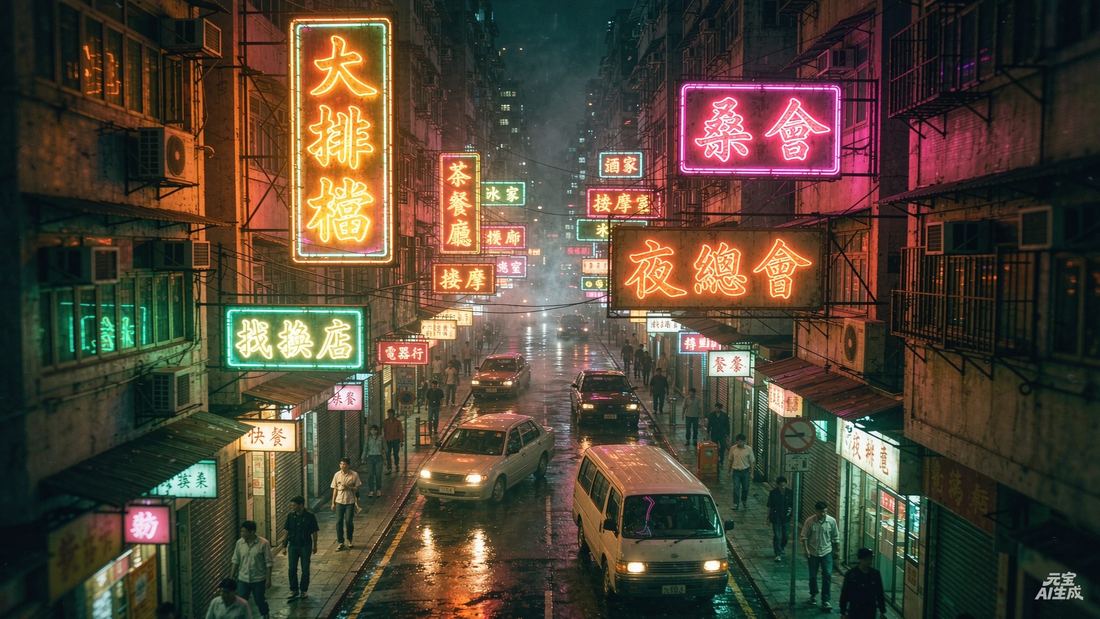
旧街夜色
舊街夜色
Neon Backstreets
九十年代的深夜街道,霓虹招牌层层叠叠。
九十年代的深夜街道,霓虹招牌層層疊疊。
A late-night street of the 1990s, its neon signs stacked tier upon tier.
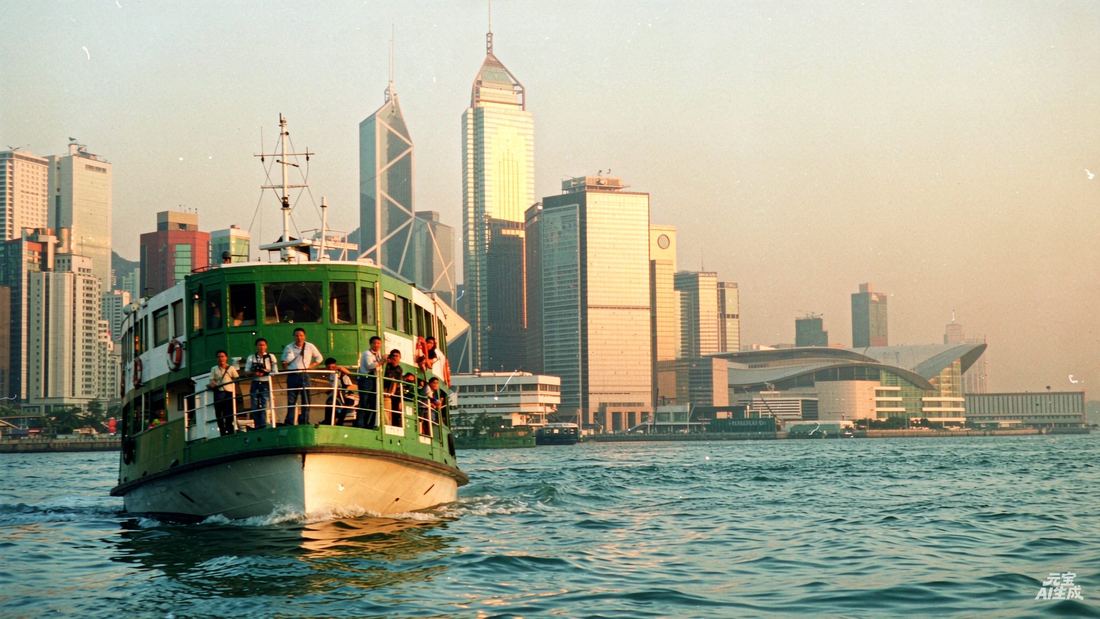
天星渡轮
天星渡輪
Star Ferry
横渡维多利亚港,是几代人的日常。
橫渡維多利亞港,是幾代人的日常。
Crossing Victoria Harbour was part of daily life for generations.
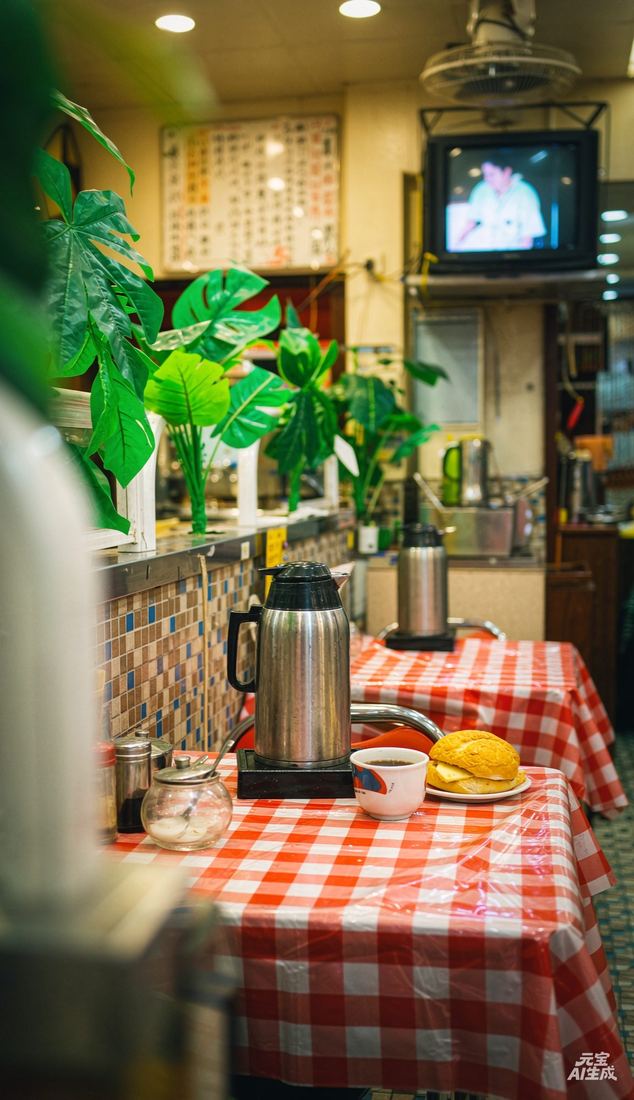
茶餐厅
茶餐廳
Cha Chaan Teng
一杯冻奶茶,飞沙走奶,是九十年代的味觉符号。
一杯凍奶茶,飛沙走奶,是九十年代的味覺符號。
An iced milk tea, "fei saau zaau naai", was the taste of the 1990s.
你知道吗?
你知道嗎?
Did you know?
「飞沙走奶」是茶餐厅的暗语:飞=去冰,沙=少糖,走=不要奶,奶=加奶。一杯看似普通的奶茶,背后是一套只有熟客才懂的点单语言。
「飛沙走奶」是茶餐廳的暗語:飛=去冰,沙=少糖,走=不要奶,奶=加奶。一杯看似普通的奶茶,背後是一套只有熟客才懂的點單語言。
"Fei saau zaau naai" is the cha chaan teng shorthand: fei = no ice, saau = less sugar, zaau = no milk, naai = extra milk. An ordinary-looking milk tea hides an ordering language known only to regulars.
第二章
第二章
Chapter Two
千禧年代:街头换上新颜
千禧年代:街頭換上新顏
The 2000s: New Faces on the Street
千禧年前后的香港,旧街区与新元素开始交错。街头出现了更明亮的招牌、更宽的道路、更新的车型,数码相机的像素逐渐取代了胶片颗粒。骑楼下的老铺还在,叮叮车仍在跑,只是整座城市仿佛按下了一次刷新键。
千禧年前後的香港,舊街區與新元素開始交錯。街頭出現了更明亮的招牌、更寬的道路、更新的車型,數碼相機的像素逐漸取代了膠卷顆粒。騎樓下的老舖還在,叮叮車仍在跑,只是整座城市彷彿按下了一次刷新鍵。
Around the turn of the millennium, old districts and new elements began to overlap. Brighter signs, wider roads and newer car models appeared on the streets, and digital pixels slowly replaced film grain. The old shophouses under the arcades were still there, the tram still ran — only the city seemed to have hit refresh.
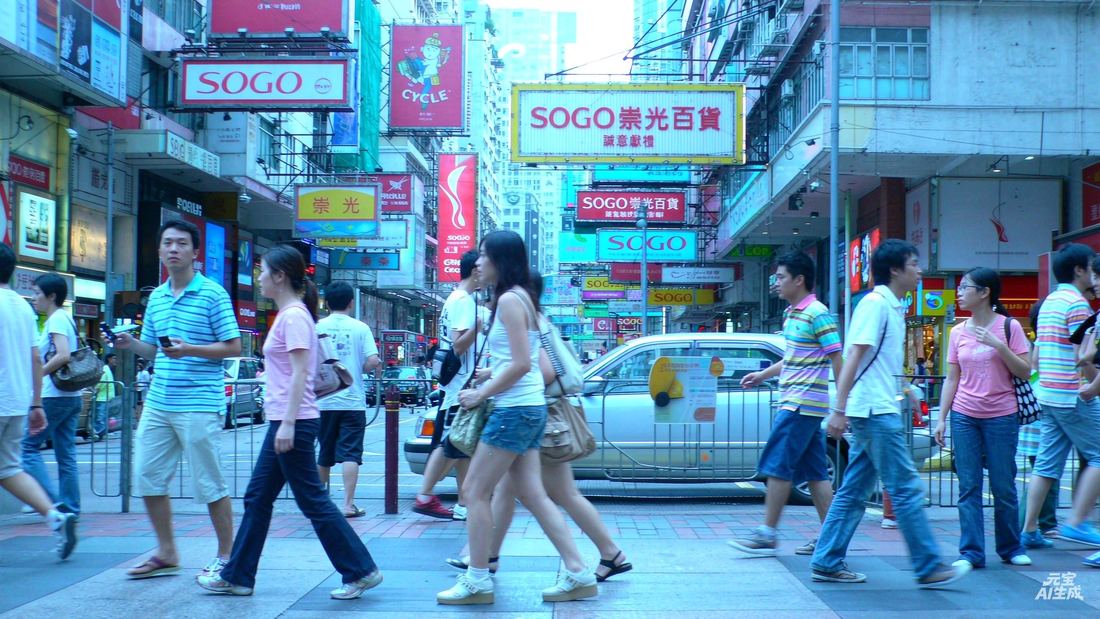
街头新颜
街頭新顏
A New Street
千禧年初的街头,色彩更亮,节奏更快。
千禧年初的街頭,色彩更亮,節奏更快。
A street at the start of the 2000s — brighter colours, faster pace.
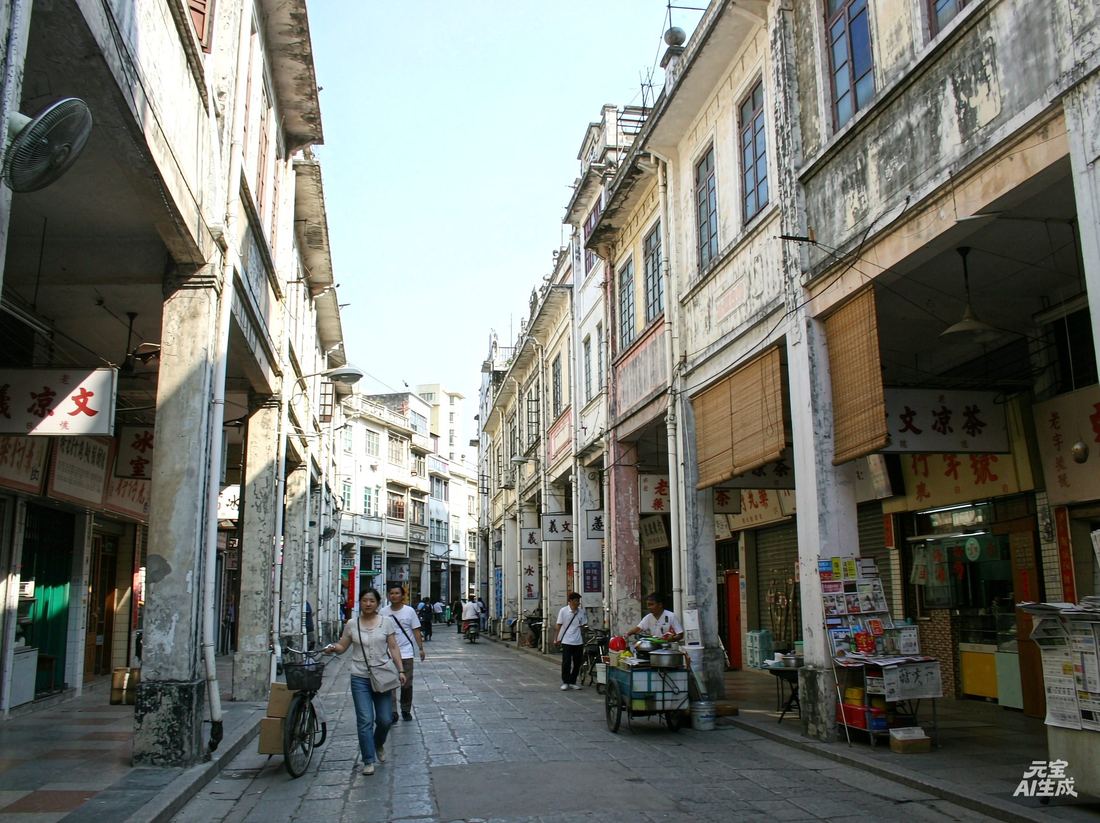
老铺骑楼
老舖騎樓
Old Shophouses
骑楼下的一排老铺,是街区最耐看的部分。
騎樓下的一排老舖,是街區最耐看的部分。
A row of shophouses under the arcade — the most enduring part of the block.
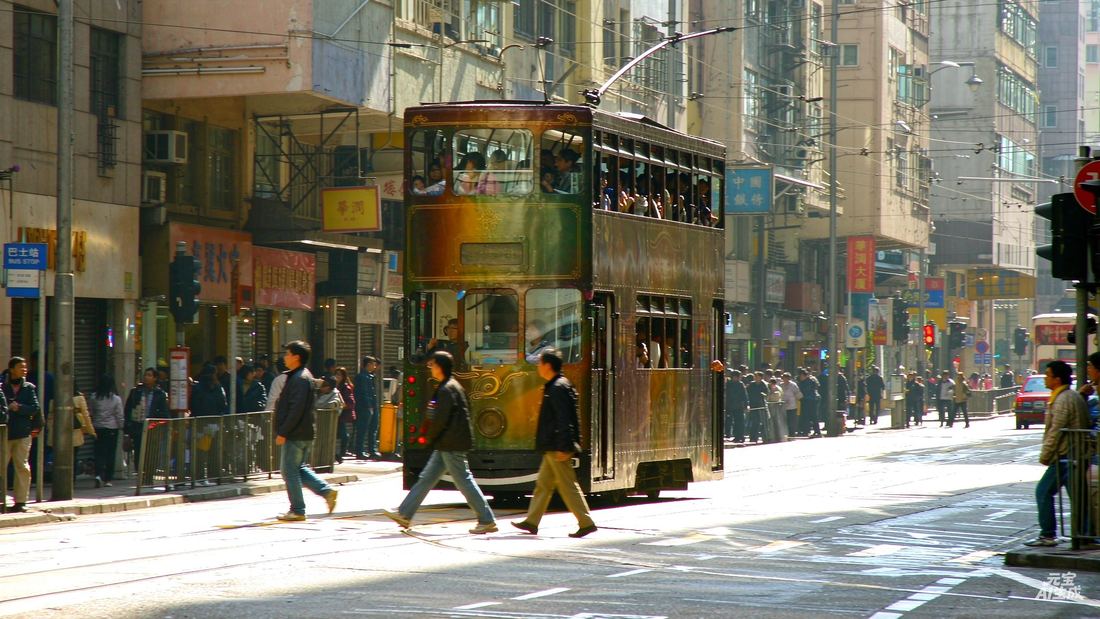
叮叮车
叮叮車
The Ding Ding
百年来它几乎没变,是城市最稳的时钟。
百年來它幾乎沒變,是城市最穩的時鐘。
Almost unchanged for a century, it is the city’s steadiest clock.
你知道吗?
你知道嗎?
Did you know?
香港电车被称为「叮叮」,得名于它经过路口时敲响的车铃。1904 年通车至今,它是全球仍在服务、且全数采用双层车辆的电车系统,全港仅此一条。
香港電車被稱為「叮叮」,得名於它經過路口時敲響的車鈴。1904 年通車至今,它是全球仍在服務、且全數採用雙層車輛的電車系統,全港僅此一條。
Hong Kong trams are called "ding ding" after the bell they ring at crossings. Running since 1904, it is the only tram system in the world still in service whose entire fleet is double-decked — and the only one in the city.
时光对照
時光對照
Then & Now
同一条街,两个时代
同一條街,兩個時代
One Street, Two Eras
九十年代与千禧年前后,香港的变化并非翻天覆地,而是细密的、逐帧的。从招牌的字体到街头的车型,从一杯奶茶的喝法到一个路口的天际线,新旧在多年间悄然交替。
九十年代與千禧年前後,香港的變化並非翻天覆地,而是細密的、逐幀的。從招牌的字體到街頭的車型,從一杯奶茶的喝法到一個路口的天際線,新舊在多年間悄然交替。
Between the 1990s and the early 2000s, Hong Kong did not change overnight — it changed frame by frame. From signboard typefaces to road traffic, from how a cup of milk tea is ordered to the skyline at a junction, old and new quietly swapped places over the years.
-
1990s
1990s
1990s
模拟信号的年代
模擬訊號的年代
The Age of Analogue
胶片颗粒、手写招牌、茶餐厅的叫单声。
膠卷顆粒、手寫招牌、茶餐廳的叫單聲。
Film grain, hand-painted signs, the clatter of orders in a cha chaan teng.
-
~2000
~2000
~2000
世纪之交的刷新
世紀之交的刷新
A Refresh at the Turn of the Century
数码像素出现,街头招牌开始用更亮的灯光。
數碼像素出現,街頭招牌開始用更亮的燈光。
Digital pixels arrive; street signs begin to glow brighter.
-
2000s
2000s
2000s
新旧开始交错
新舊開始交錯
Old and New Begin to Overlap
老铺还在,叮叮车还在,城市却已经换了节奏。
老舖還在,叮叮車還在,城市卻已經換了節奏。
Old shophouses remain, the tram still runs, but the city has changed pace.
| 生活切面 | 生活切面 | Slice of Life | 九十年代 | 九十年代 | The 1990s | 千禧年代 | 千禧年代 | The 2000s |
|---|---|---|---|---|---|---|---|---|
| 出行 | 出行 | Getting around | 叮叮车、天星小轮、红色小巴 | 叮叮車、天星小輪、紅色小巴 | Trams, Star Ferry, red minibuses | 地铁网络延伸,的士与巴士仍是日常 | 地鐵網絡延伸,的士與巴士仍是日常 | The MTR expands; taxis and buses remain daily staples |
| 影像 | 影像 | Images | 胶片相机,冲晒后才见真容 | 膠卷相機,沖曬後才見真容 | Film cameras — results only seen after developing | 数码相机与手机开始记录日常 | 數碼相機與手機開始記錄日常 | Digital cameras and phones start recording daily life |
| 街头招牌 | 街頭招牌 | Street signs | 手写书法字,层层叠叠挂满外墙 | 手寫書法字,層層疊疊掛滿外牆 | Hand-painted calligraphy, stacked across facades | 发光字与亚克力招牌逐渐增多 | 發光字與壓克力招牌逐漸增多 | Backlit and acrylic signs become more common |
| 饮食 | 飲食 | Food & drink | 茶餐厅撞奶茶、冰室菠萝油 | 茶餐廳撞奶茶、冰室菠蘿油 | Strained milk tea, cha chaan teng, bo lo bao | 连锁茶餐厅与咖啡店进入街头 | 連鎖茶餐廳與咖啡店進入街頭 | Chain cha chaan teng and cafés appear on the streets |
| 节奏 | 節奏 | Pace | 慢,街头充满人声与叫卖 | 慢,街頭充滿人聲與叫賣 | Slow — streets full of voices and hawking | 更快,城市按下了刷新键 | 更快,城市按下了刷新鍵 | Faster — the city has hit refresh |
影像集
影像集
Gallery
香港的六个瞬间
香港的六個瞬間
Six Moments in Hong Kong
以下是本站的全部配图。它们均为 AI 生成的意象插画,用以营造九十年代与千禧年代的氛围,并非真实历史照片,亦不代表任何具体的人物、地点或事件。
以下是本站的全部配圖。它們均為 AI 生成的意象插畫,用以營造九十年代與千禧年代的氛围,並非真實歷史照片,亦不代表任何具體的人物、地點或事件。
Below are all the images on this site. They are AI-generated mood illustrations made to evoke the 1990s and 2000s; they are not real historical photographs, and do not represent any specific person, place or event.